The waste of memory— digital images caught on devices doomed to obsolescence with the advance of new technologies
Once upon a time a mind was sufficient to recall happy times places where love was shared on a day full of sun and laughter a birth a marriage significant moments of pride or pleasure or achievement
Once upon a time
There is no return no way back to the vast empty days we leave in our wake
One day I may struggle to recall that I ever loved you in those days when no one was dearer to my heart : a certain dress you wore in a certain unforgettable location growing dimmer by the day even as the sunlight fades One day will one day be the last and all our loves and all our regrets will be lost forever and a day
Stones to sand and bones to bonemeal and latterly to dust
There is no refuge from time’s onslaught the very beginning is the beginning of the end
Oak outlives us blackbirds and starlings take shelter in the branches and human energies dwindle as a matter of course
There is however much to be said for love and how the engaged heart takes delight where it finds it and turns a blind eye to transience and decay and eventual silence
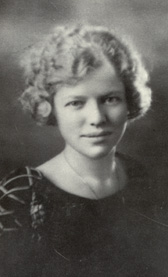
Lorine Niedecker was born in 1903 in Fort Atkinson, Wisconsin, and lived in this wilderness area for most of her life. Her isolation from other writers and the beauty of her natural surroundings had a profound impact on her work. Niedecker chose to write in seclusion, and many of her closest relatives and neighbors were unaware that she was a poet. She had a brief relationship with the poet Louis Zukofsky in New York, but apart from that she continued to live in relative obscurity. In later years she was befriended by the British poet, Basil Bunting, the author of Briggflats, and one-time disciple of Ezra Pound; but for much of her life she lived in poverty, earning her living as a cleaning lady in a Fort Atkinson hospital. Since her death on 31 December 1970, her reputation as one of the most significant American poets of the 20th century has grown enormously. At the core of her writing are terse observations of her rural environment: the birds, trees, water and marshland that surrounded her.
 johnjosephlyons